
Car Dent Repair Options Explained: DIY vs Professional Garage
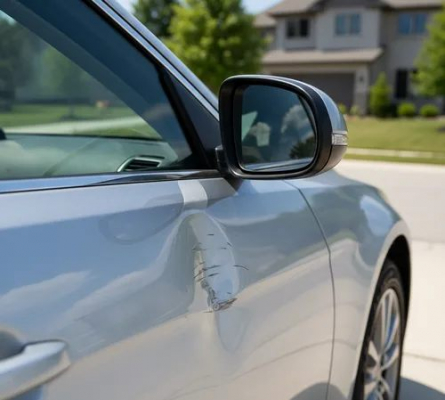
You spot it just as you are about to lock the car: a small dent on the door, a crease on the rear bumper, or a neat little mark on the wing mirror. Maybe a trolley has clipped your vehicle in the supermarket car park, or someone has opened their door a bit too enthusiastically. Once the frustration settles, the main question appears: do you attempt a bit of DIY car dent repair at home, or do you book in with a professional garage such as Dinks Auto Body Repair?
In this guide, we will walk through both options in a clear, practical way, helping you understand what is realistic to tackle yourself, when it is safer to rely on a body shop, and how to protect the long term value and appearance of your car.
First step: assess the damage properly
Before tools, quotes or Google searches, you need to assess the dent calmly.
Ask yourself:
- Is the paint cracked, chipped or flaking at all
- Is the metal stretched, creased or sharp
- Does the dent sit in the middle of a flat panel, or on a body line or edge
-
Do the doors, bonnet or boot still open and close smoothly
If the dent is small and shallow, the paint is intact, and it sits in the middle of a flat panel, DIY car dent repair might be possible.
If you can see exposed metal, cracked paint, sharp creases or misaligned gaps between panels, that is usually a sign you need professional help from a body shop like Dinks Auto Body Repair.
This first judgement is very important. A simple dent can turn into a larger, more expensive repair if the wrong DIY approach is used.
Common DIY car dent repair methods
Let’s take a realistic look at the most popular DIY methods you will see online or in motoring stores, and when they may actually work.
1. Suction cups and dent puller kits
These kits use a suction pad or glued tab attached to the dent. You then pull the panel outward in an attempt to return it to the original shape.
Best suited for:
-
Very shallow dents
-
Smooth, accessible areas such as doors and bonnets
-
Dents where the paintwork is still intact
Risks:
-
Can leave high spots or ripples that are obvious in bright sunlight
-
Low quality glue may pull off weak or aged paint
-
It often takes practice to get an even result across the panel
If you are particular about how your car looks, be honest with yourself. These kits can make a dent less noticeable but rarely deliver a completely invisible car dent repair.
2. Hot water and “push from behind”
This is the classic trick shared on social media. You pour hot (not boiling) water over a plastic bumper, then try to push the dent out from behind.
Best suited for:
-
Light damage on flexible plastic bumpers
-
Very recent dents where the plastic has not set in its new shape
Risks:
-
Hot water might affect older or already damaged paint
-
Brittle plastic on older cars can crack instead of flex
-
It is easy to push too hard and create a bulge in the opposite direction
This method can sometimes improve things on a budget car, but it is not a precise or guaranteed form of car dent repair.
3. DIY filler and aerosol paint
Some drivers decide to go a step further and attempt a full cosmetic repair at home. This usually involves sanding, body filler, more sanding, primer and aerosol paint.
Best suited for:
-
Owners with some experience in sanding and spraying
-
Older vehicles where a perfect finish is not essential
Risks:
-
Colour matching with aerosol paint is difficult, especially on older cars that have faded
-
It is easy to create visible edges where new paint meets existing paintwork
-
Poor preparation leads to peeling, dull patches and uneven surfaces
Once filler and aerosol paint are applied, a professional car dent repair later will often cost more, as the technician has to remove and correct the DIY work before they can start a proper repair.
When a professional garage is the better choice
DIY can be tempting when you are trying to save money, but there are a few situations where a professional car dent repair is clearly the better choice.
You should go to a body shop if:
-
The paint is cracked, chipped, bubbling or flaking
-
The dent includes a sharp crease or stretched metal
-
The damage sits on a body line, panel edge or wheel arch
-
The panel is aluminium, which behaves very differently to steel
-
The car is on finance, lease or still under manufacturer warranty
-
You plan to sell or part exchange the car and want to protect its value
At Dinks Auto Body Repair, for example, technicians use purpose made tools, manufacturer-approved paint systems and controlled drying conditions. This kind of set-up is what gives you a smooth, glossy finish that blends seamlessly with the rest of the car, rather than that “you can tell something has been done” look.
What happens during professional car dent repair?
While every garage has its own way of working, a reputable body shop will usually follow a process similar to this.
1. Inspection and quotation
The technician inspects the dent under good lighting, checks panel gaps, and looks for hidden damage behind the affected area. You should receive a clear, written quotation that explains what work is needed.
2. Paintless dent removal (PDR), where suitable
If the paint is undamaged, the garage may use paintless dent removal. This involves using specialist levers and rods from behind the panel, or glue tabs from the outside, to gently massage the metal back into shape.
It sounds simple but requires a lot of skill and patience. Done well, it can restore the panel with no need for repainting at all, which is ideal.
3. Traditional body repair
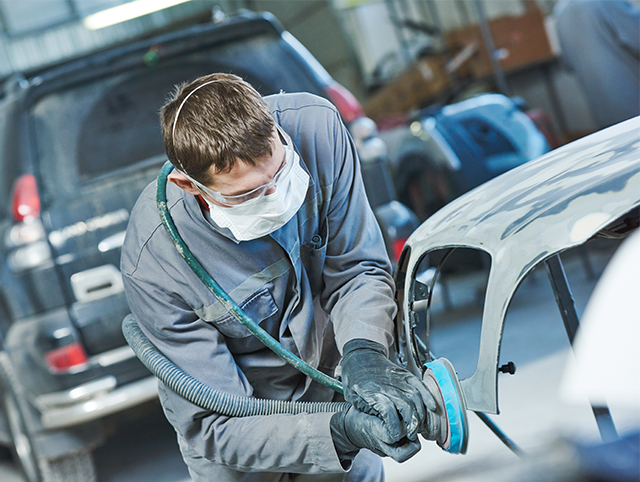
If the paint has been damaged, more traditional body repair techniques are required. The area is sanded, the dent is carefully pulled or tapped out, and a thin layer of filler may be applied to refine the shape. This is then sanded smooth.
4. Priming and painting
The repaired area is primed and then painted using a colour matched to your exact paint code. A clear coat is applied over the top to add gloss and protect the finish.
5. Blending and polishing
The new paint is blended into the surrounding area, then polished once fully cured. This helps the fresh paintwork blend in so you do not see a hard edge between old and new.
At Dinks Auto Body Repair, the aim is always to return your car as close to factory finish as possible. That level of detail is very hard to achieve on a driveway with basic tools.
Cost, time and dealing with insurance
It is perfectly reasonable to think about cost before deciding how to handle a dent.
Here are a few points to weigh up:
-
DIY appears cheaper initially
A dent puller kit costs relatively little. However, if the result is poor or causes further damage, the eventual professional car dent repair can end up more expensive than if you had gone to a garage in the first place.
-
Professional repair protects value
A neat, consistent finish will help when you come to sell or part exchange the car. Obvious DIY patches or mismatched paint are often used by buyers and dealers to reduce their offer.
-
Insurance may be an option
For more serious damage, it can be worth speaking to your insurer. For minor cosmetic dents, many drivers prefer to pay a trusted local garage like Dinks Auto Body Repair directly, particularly if the cost is close to their excess.
-
Your time has value too
DIY can easily take up a whole weekend, and you still might not be satisfied with the outcome. A professional garage will give you a clear timescale and may offer courtesy cars or collection and delivery, making the process less stressful.
Choosing a reliable car dent repair specialists
If you decide to use a professional, picking the right body shop is important.
Look for:
-
Clear, written estimates with a breakdown of what is included
-
Recent reviews from local customers, not just one or two from years ago
-
Examples or photos of previous work, especially on similar vehicles
-
A tidy, organised workshop that gives you confidence
-
Staff who explain things plainly and are happy to answer questions
At Dinks Auto Body Repair, the team take time to talk through your options, explain whether paintless dent removal is realistic, and provide a transparent quote so you know exactly what you are paying for. Wherever you choose to go, that kind of openness is a very positive sign.
DIY vs professional: a simple way to decide
To sum it up, here is a straightforward way to think about your choices.
-
DIY may be worth a try if:
The dent is very small and shallow, the paint is untouched, you are not overly concerned about a perfectly flawless finish, and you are comfortable with the idea that the result might be “better but not perfect”.
-
A professional garage is usually wiser if:
You care about the car’s appearance, the dent is near edges or creases, the paint is damaged, the vehicle is fairly new or on finance, or you simply do not want the hassle and risk that comes with experimenting yourself.
If you are unsure, popping in for a quick opinion is a good idea. The team at Dinks Auto Body Repair can examine the dent, talk you through the most sensible options for car dent repair and give an honest view on whether DIY is realistic in your particular case.
Final thought
Dents are part of everyday motoring life. Even the most careful driver will pick up the odd knock sooner or later.
What really matters is how you choose to deal with it. Take a moment to assess the damage, think about your own skills and expectations, and then decide whether a bit of DIY is enough or whether a professional car dent repair is the better long term solution.
For most drivers who want their car to look its best, working with a trusted local body shop like Dinks Auto Body Repair provides peace of mind, a high quality finish and one less thing to worry about every time you walk up to your car. If you have a dent you would like looked at, get in touch with our team today by calling 01733 687101 or completing our online contact form.
As one of the leading auto body shops in Peterborough, we pride ourselves on quality service, with both our customers and the vehicles brought to us. We tailor our expertise to everybody individually and encourage the best solutions for all. With our friendly and helpful team, it is guaranteed we can resolve any questions or worries you may have - no matter the severity.
From car detailing and repairs through to insurance, at Dinks Auto Body Repairs you can rest assured that your car is in professional hands. So get in touch today using the contact details further along the page or use our enquiry form here.





Ready to book your repair?
Click on the button and
we will be in touch with you today!