
What Are Alloy Wheels? A Down-to-Earth Guide from Dinks Auto Body Repairs
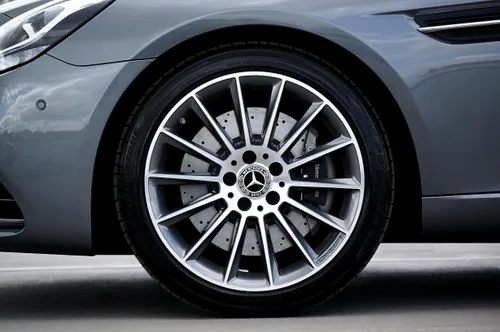
You hear people talk about alloy wheels all the time. But what actually are they, and are they really worth the fuss?
At Dinks Auto Body Repairs, we see alloy wheels every single day. Brand new, slightly scratched, badly kerbed, bent from potholes, you name it. So this is a friendly, no-nonsense guide to what alloy wheels are, why people like them, and what to do if yours end up looking a bit sorry for themselves.
So, what exactly are alloy wheels?
In simple terms, alloy wheels are wheels made from a mixture of metals rather than just steel. Usually it is aluminium mixed with other metals to create a lighter but still strong material.
That metal mixture, or “alloy”, makes the wheels:
-
Lighter than traditional steel wheels
-
Easier to shape into unique designs
-
Better at dealing with heat from braking
That is why most modern cars, especially the nicer trim levels, come with alloy wheels as standard. They tick both the looks and performance boxes, which is why they are so popular.
Alloy wheels vs steel wheels – what is the difference?
You might think a wheel is a wheel, as long as it goes round. But there are a few important differences between alloys and steel that you will actually notice in everyday driving.
1. Weight
Alloy wheels are usually lighter than steel ones. Less weight means:
-
Sharper, more responsive steering
-
Slightly better acceleration and braking feel
-
Potential improvements in fuel economy
You are not going to suddenly feel like you are driving a race car, but a lighter wheel does make the car feel that bit more alive on the road.
2. Heat and braking
Brakes get hot when you slow down. Alloy wheels help to disperse that heat better than steel. That is handy for spirited driving, but also for heavier cars or long trips where the brakes work harder than we sometimes realise.
3. Style and appearance
Let’s be honest, this is the big one. Alloy wheels allow manufacturers to create all sorts of styles:
-
Multi-spoke wheels
-
Diamond-cut finishes
-
Different colours and contrasts
It is a big part of why a car looks “sporty” or “premium”. Swap steel wheels for alloys and suddenly the whole car looks a bit more modern.
4. Corrosion and coating
Steel wheels usually have plastic hubcaps on top. Alloy wheels are fully visible, so they are painted and lacquered to look good and resist corrosion. Once that coating is damaged though, corrosion can creep in underneath, which is when people start calling Dinks Auto Body Repairs for help.
Why do people choose alloy wheels?
If you are wondering whether alloy wheels are worth having or keeping in good condition, here are the main reasons drivers like them.
-
They look better
There is no getting away from it. Alloy wheels make a car look smarter. Even on an older car, a tidy set of alloys can make it feel newer and better cared for.
-
They can improve the drive
Thanks to their lighter weight, alloy wheels can give more responsive handling. You often feel that most around town and on twisty roads where the car changes direction a lot.
-
They help with resale value
When it comes time to sell your car, clean and tidy alloy wheels give a great first impression. A car with badly kerbed, flaking wheels looks neglected, even if you have looked after it mechanically.
-
You can customise them
You can change the colour or finish of your alloy wheels to suit your own taste. Subtle factory-style silver, gloss black, two-tone, something a bit bolder, there are plenty of options.
The downsides of alloy wheels
Of course, nothing is perfect. Alloy wheels do have a few drawbacks that are worth knowing about.
-
They kerb more easily
Alloys sit more exposed than steel wheels with big chunky tyres. So when you misjudge a tight parking space and meet the kerb, it is usually the alloy that takes the hit.
-
They can crack or bend
A nasty pothole or speed bump taken too quickly can sometimes bend or even crack an alloy wheel. That can lead to vibrations, air loss, and in serious cases safety issues.
-
Repairs can cost more than steel
Alloy wheels are more expensive to replace, and they need proper specialist repair when damaged. The good news is that a lot of cosmetic damage can be repaired rather than buying a whole new wheel.
At Dinks Auto Body Repairs, we always look carefully at the damage before advising what to do. If a wheel is safe to repair, we will tell you. If it is not, we will explain why and suggest the safest option, even if it is not the answer you were hoping for.
Common types of alloy wheel damage
Here’s what we most often see in the workshop.
Kerb rash and scuffs
This is the classic one. Scrapes and scratches around the rim from rubbing along a kerb. Annoying, but usually fixable.
Paint or lacquer peeling
You might notice the clear lacquer lifting, flaking or bubbling. This can be caused by stone chips, harsh chemicals or previous damage that was never sorted properly.
Corrosion and white worm
You sometimes see white, worm-like marks under the lacquer, especially on older wheels. This is corrosion creeping under the coating.
Bends and cracks
Hit a pothole hard enough and the wheel can bend or crack. You might feel the car vibrating at certain speeds or notice the tyre keeps losing air.
If you spot any of these on your alloy wheels, it is worth getting them checked. Cosmetic damage might “just” look bad, but structural damage can be a safety issue.
Looking after your alloy wheels
You do not need to obsess over your wheels, but a bit of care goes a long way.
1. Clean them regularly
Brake dust, road dirt and salt all build up over time. Use a decent wheel cleaner and a soft brush. Avoid very harsh acidic products unless you know exactly how to use them, as they can damage the finish.
2. Be gentle with pressure washers
Jet washers are handy, but if you hold the lance right up close to the wheel for too long, it can start to lift the lacquer. Keep a bit of distance and keep the spray moving.
3. Take care with kerbs and potholes
Easier said than done, but watching your speed over rough roads and being careful when parking can save you a lot of hassle.
4. Sort small damage early
Little chips and scuffs can often be repaired before they turn into bigger problems. Once corrosion sets in properly, the repair tends to be more involved.
If you are unsure whether something needs attention, you can always pop in to see us at Dinks Auto Body Repairs and we will have a look.
Can alloy wheels be repaired?
In many cases, yes, and the results can be surprisingly good.
For cosmetic issues like kerb damage, scratches, peeling lacquer or faded paint, we can usually:
-
Clean and prep the damaged area
-
Repair and smooth out the surface
-
Repaint or refinish the wheel
-
Apply a protective clear coat
With cracked or badly bent alloy wheels, it is more serious. We will inspect them properly and talk you through whether a safe repair or refurbishment is possible. If there is any risk to safety, we will always recommend replacement instead. No wheel is worth compromising your safety for.
When should you contact Dinks Auto Body Repairs?
It is worth speaking to us if:
-
You have kerbed a wheel and it looks more than just a light mark
-
Your alloy wheels are bubbling, flaking or corroding
-
You feel vibration through the steering wheel and suspect a bent wheel
-
You are thinking about changing the colour or finish of your alloys
We will give you honest advice, explain your options and talk through costs before you decide what to do.
Final thoughts
Alloy wheels are not just there to make a car look pretty. They are lighter, can improve how the car feels to drive and they definitely help the overall look of your vehicle. The flip side is they can be easier to damage and need a bit more care. If your alloy wheels are scuffed, bubbling, corroded or just looking tired, Dinks Auto Body Repairs can help bring them back to life or advise you on the safest next step.
Got a question about your wheels? Send us a photo, give us a ring or drop by, and we will happily talk it through with you to find the best solution for your vehicle.
As one of the leading auto body shops in Peterborough, we pride ourselves on quality service, with both our customers and the vehicles brought to us. We tailor our expertise to everybody individually and encourage the best solutions for all. With our friendly and helpful team, it is guaranteed we can resolve any questions or worries you may have - no matter the severity.
From car detailing and repairs through to insurance, at Dinks Auto Body Repairs you can rest assured that your car is in professional hands. So get in touch today using the contact details further along the page or use our enquiry form here.





Ready to book your repair?
Click on the button and
we will be in touch with you today!